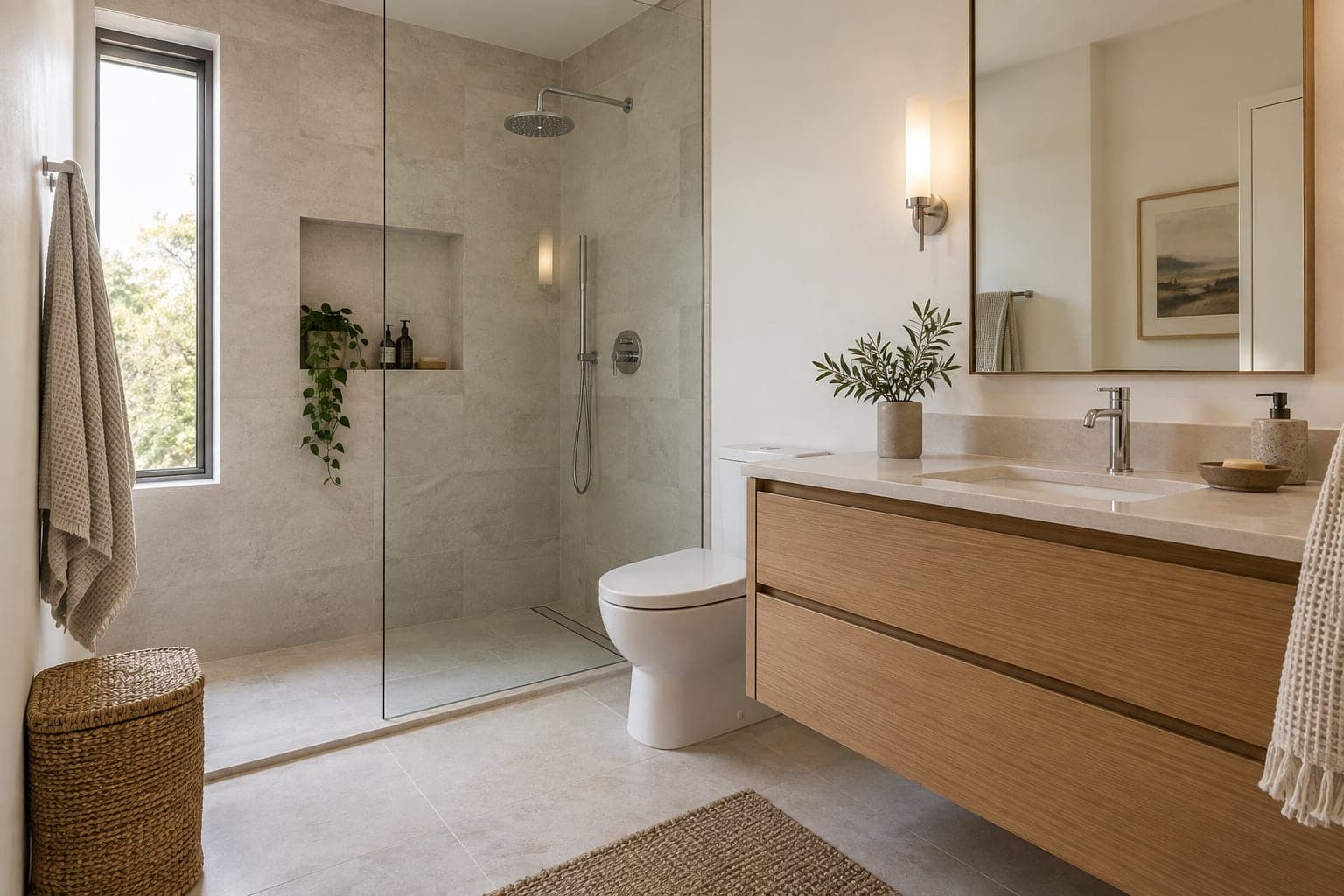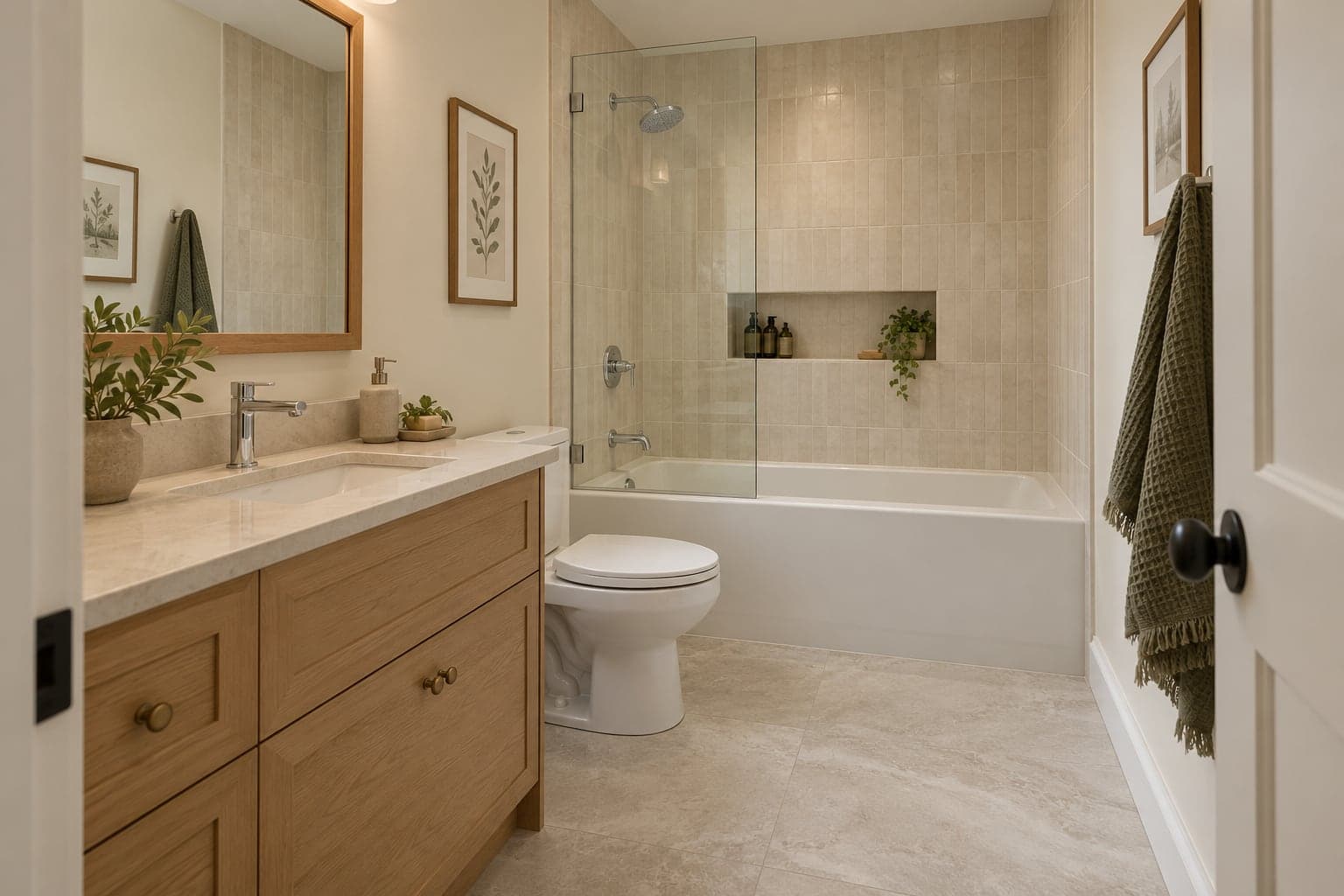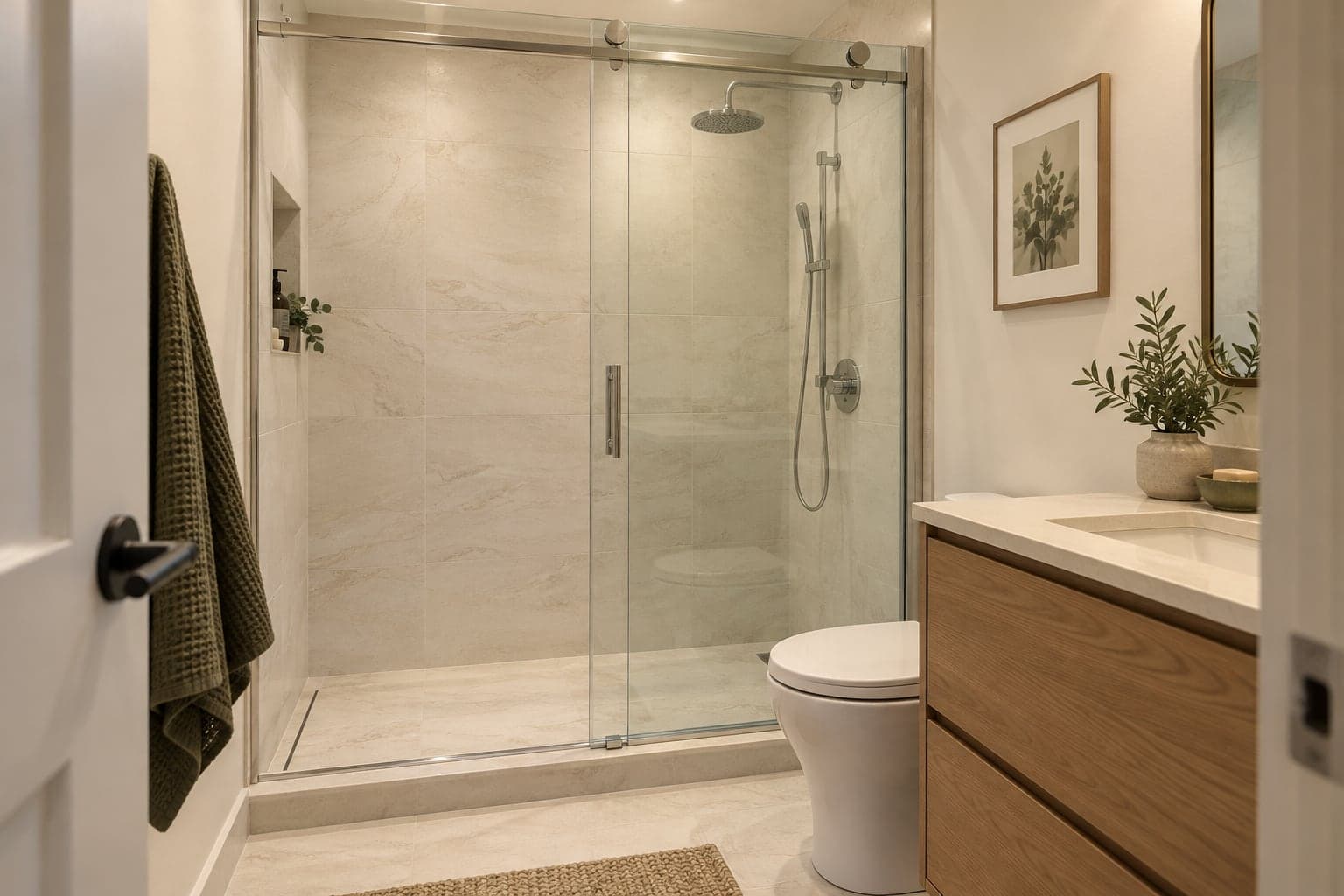
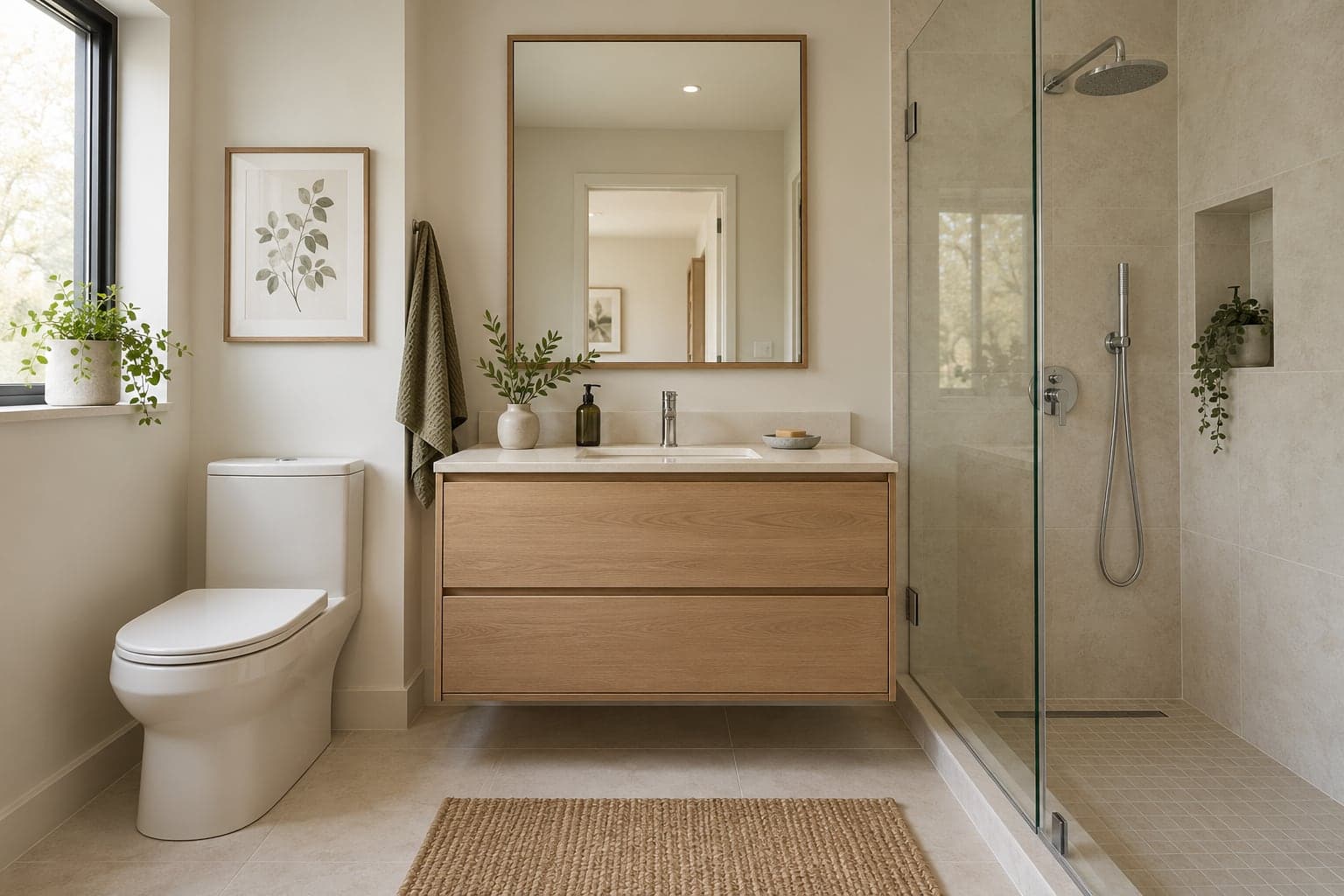
Two bathroom renovation quotes can name the same fixtures and still cover different work. One may include preparation and a complete shower assembly; another may allow only for visible products and installation. Before comparing totals, make sure the proposals describe the same room, retained items and responsibilities. The checklist below helps turn vague allowances into questions you can resolve before signing.
Give every contractor the same bathroom brief
List what stays, what goes and what moves. Include the vanity, toilet, bath or shower, flooring, wall finishes, lighting and ventilation. Add your product selections if known, and say which choices remain open. A drawing that shows fixture positions helps explain the scope more clearly than a collection of unrelated inspiration photographs.
Include practical conditions: property type, location, access, whether the room is the only bathroom and whether the home will remain occupied. For a condo, provide the building's renovation information. Ask everyone pricing the project to use the same brief so a cheaper quote is not simply responding to less information.
Our bathroom renovation services provide a starting point for the scope. If you intend to keep fixture positions, read the same-layout bathroom guide before treating that choice as a promise of no plumbing work.
Check removal, protection and preparation
The proposal should identify the finishes and fixtures being removed, disposal arrangements and protection for retained areas. Ask what happens to the route through the home and who moves or stores items that stay. A complete room price should make these responsibilities understandable, even if they are grouped rather than individually priced.
Ask what wall and floor preparation is included after removal. Which conditions have already been assessed, and which are assumptions? If damage or unsuitable backing is discovered, agree how it will be photographed, explained and priced before new work covers it. An undefined 'make good' item may leave both parties expecting different amounts of repair.
The finish selections should match that preparation scope. Large tiles, detailed patterns or a different floor assembly may introduce requirements that were not included in an earlier quote. Our flooring and tile guide helps identify the boundaries to discuss.

Name the shower or bath waterproofing work
For wet areas, ask what system is proposed and which components are included. The quote should explain the relevant base, backing, waterproofing, drain connection and junction details rather than relying on 'new tile' as the entire specification. Ask who verifies that the selected components work together.
The Tile Council of North America's shower guidance is a useful background resource for installation questions. Manufacturer instructions for the actual system are the next reference point. Neither a tile sample nor a photograph of a completed bathroom establishes the assembly concealed behind the finish.
Discuss any required inspection or testing stages and when work may proceed beyond them. For a conversion, our Toronto condo tub-to-shower guide explains why the base, drain and enclosure need a coordinated plan. Make those items visible in the quotation.
Separate fixtures from their installation requirements
Specify actual products where possible: vanity, basin, tap, toilet, bath, shower fittings and glass. If the quote uses allowances, ask what quality, quantity and supply arrangements they assume. Clarify whether accessories, wastes, valves, fixings and delivery are included or must be supplied separately.
An owner-supplied fixture still needs compatibility checks. Record who reviews the installation information, receives it, checks for damage and handles missing components. A new vanity may fit the wall but conflict with the existing connections; a new shower trim may not suit the concealed valve. Product responsibility should be agreed before purchase.
Include finishing around retained items. A smaller vanity can expose an unfinished floor, and a different mirror can reveal wall areas that need repair. These details can be easy to miss when comparing fixtures by appearance alone. Ask how the final boundaries will be completed.
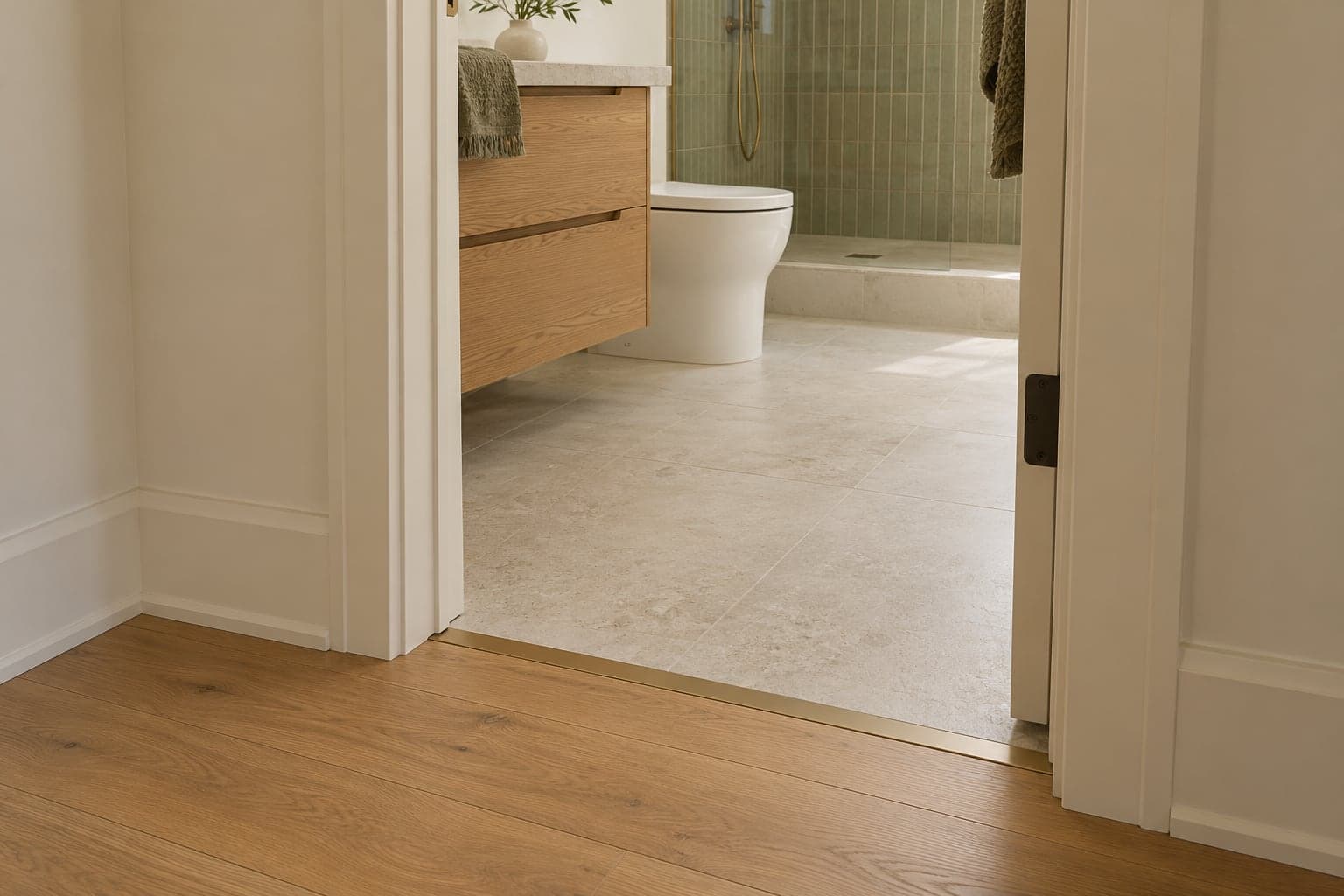
Identify plumbing, electrical and ventilation responsibilities
Ask the quote to describe plumbing connections and any proposed changes, including how concealed conditions will be assessed. For ventilation, clarify whether the scope is a visible fan replacement or includes reviewing the duct route and associated work. A product name does not establish the complete installation scope.
Confirm the electrical provider and notification arrangements using ESA's homeowner guidance. Ask who coordinates any municipal requirements and inspection stages. Our Ontario Building Code guide explains the different questions to raise without treating every bathroom as the same project.
Keep building arrangements in the scope too. Water shutdowns, delivery bookings and access outside the unit may need coordination. Identify the responsible person and dependencies before treating the preferred start date as a confirmed programme.
Review allowances, changes and the schedule
For each allowance, ask what it covers and how the final amount will be calculated. Separate product supply from labour where that distinction affects your choices. Check taxes, delivery, disposal and exclusions so the total can be compared on a consistent basis. Optional upgrades should remain identifiable rather than being mixed into essential work.
Agree on a written change process that explains the reason, price and schedule effect before extra work proceeds. Ontario's renovation consumer guidance is a useful reference when reviewing estimates and contract terms. Keep the accepted specification and later changes together.
Ask which decisions and deliveries control the next stage. Glass measurement, special-order products and inspection requirements can affect the sequence. Our guide to living at home during renovation helps you plan around periods when essential facilities are unavailable.
Define handover and resolve gaps before choosing
Confirm final cleaning, remaining adjustments, product information and the process for reporting an issue after completion. Ask for the relevant records for the work performed and a clear explanation of any warranty terms. A general promise of a finished bathroom should be supported by an agreed scope and handover expectations.
Use our renovation quote comparison guide to make a short list of unanswered questions. Request revised written information rather than relying on a verbal assurance that everything is included. Compare the clarified proposals before selecting one.
To request a bathroom discussion with Westbourne, send the brief, photographs, location and selected products through our contact page. Include your budget range and priorities. The aim is a quotation that explains the room you want and the work needed to achieve it.