Repair priorities
Identify what is damaged, what is inconvenient and what is a finish preference. Understanding the cause of a problem comes before deciding how to cover or replace it.
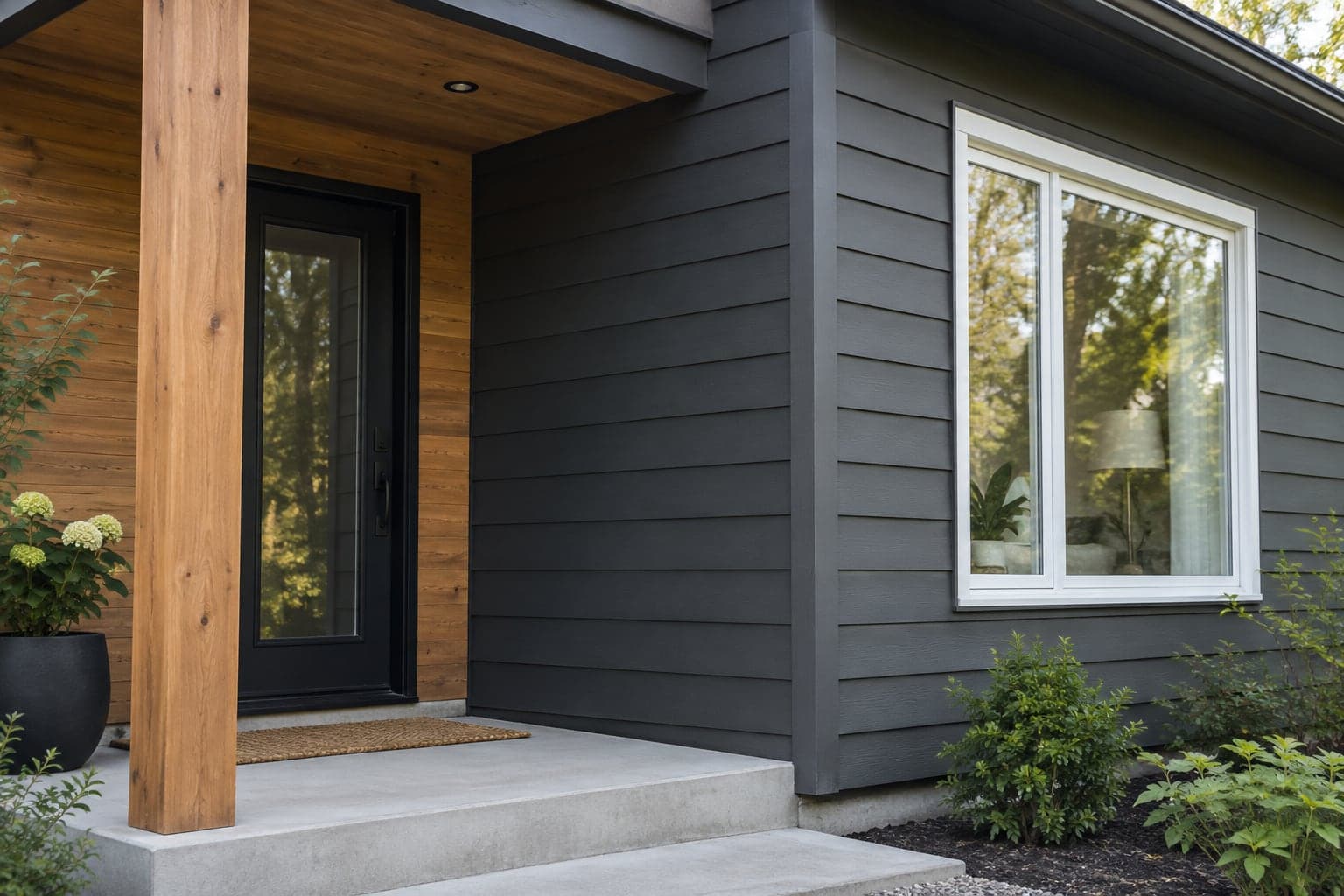
Exterior & delivery / Toronto & the GTA
Home repairs and upgrades.

Service overview
Not every home needs a complete renovation. A collection of unfinished details, damaged surfaces or outdated features may call for a focused scope. Westbourne helps organise residential repairs and upgrades around the issues you want to resolve and the improvements that matter most.
Start with a conversation about your property and priorities. We’ll work through the scope and the information needed to take the next step.
What we do
The final scope is agreed around your property, requirements and selections. These are the areas to consider together.
Identify what is damaged, what is inconvenient and what is a finish preference. Understanding the cause of a problem comes before deciding how to cover or replace it.
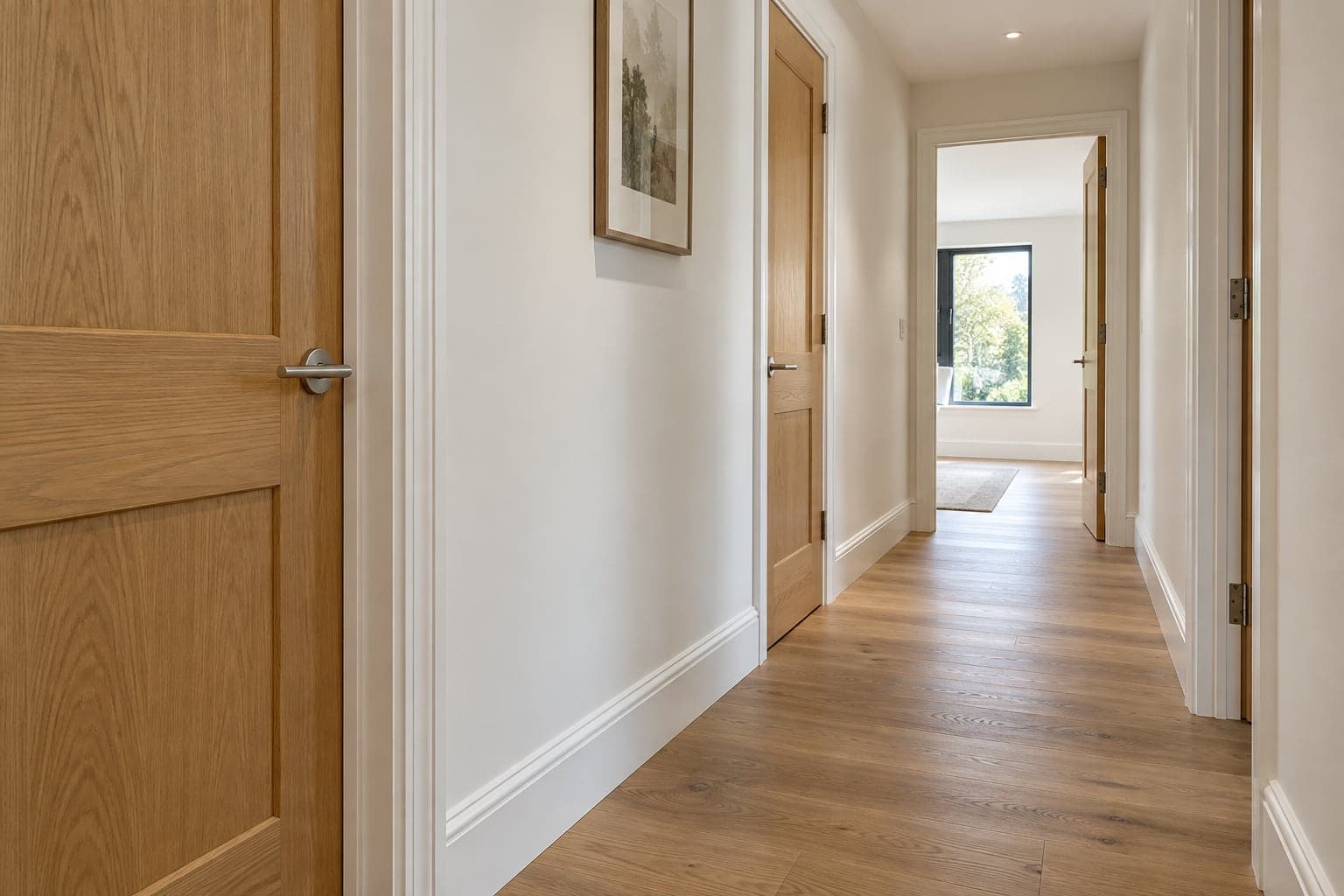
Discuss wall repairs, painting, flooring and the areas that need renewal. Define how new work will meet retained finishes.
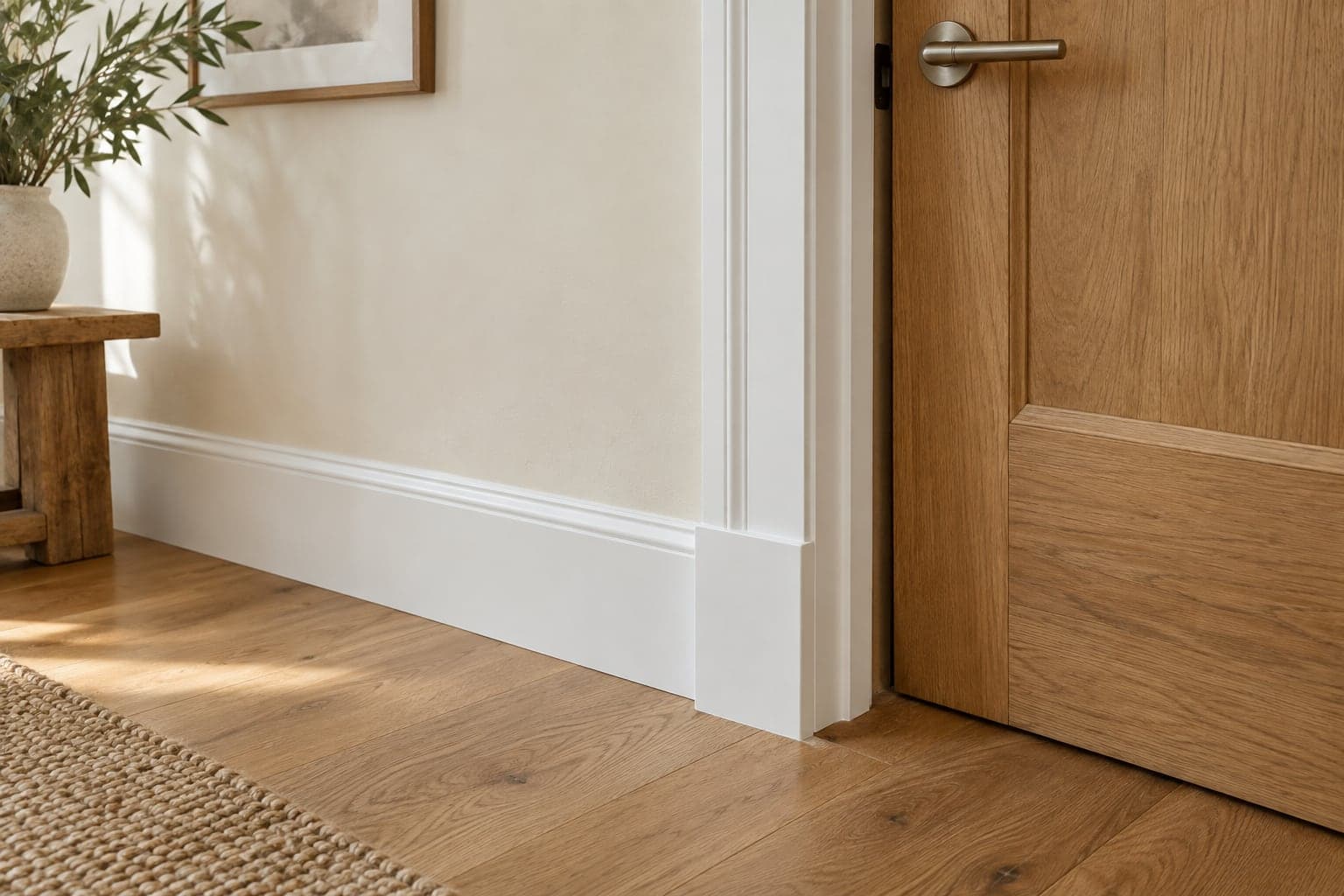
Review practical improvements to interior doors, trim and finishing. Small adjustments can be part of a larger, coordinated list of work.
Bring related tasks together where the sequence makes sense. Clear boundaries help identify the materials, trades and access each item needs.
Planning a renovation in Toronto & the GTA
A recurring crack, stain or damaged finish can have a cause beyond the visible surface. Tell us what you have noticed and whether it has returned after previous repairs. For occupied Toronto and GTA homes, grouping work by room can also help plan protection and daily access.
Read the renovation planning guideBudget & timing
The cause of damage, extent of preparation, material matching and number of separate tasks influence the work involved. A clear list with photographs helps establish whether a focused repair or a wider update is the more practical approach.
A project-specific quote is more useful than a generic per-room price. Share your location, priorities and timing so we can discuss the work involved.
See how we approach a renovation →A useful repair enquiry explains what you have noticed, where it occurs and whether it has changed. Include photographs of the affected detail and a wider view of the room or exterior area. Mention any previous repair and whether the same symptom returned. This gives the conversation more context than a request to replace a surface without explaining why it needs attention.
Separate an observed condition from a diagnosis. A stain, loose finish or sticking door can have different causes, and a photograph may not establish which one applies. Ask what assessment is needed and whether the proposed work addresses the cause, the visible damage or both. A cosmetic repair can be appropriate when its purpose and limitations are understood, but it should not be presented as resolving an unassessed underlying issue.
Tell Westbourne if the condition affects access, everyday use or other planned work. That helps distinguish an isolated repair from a task that needs coordination with a broader renovation. Where specialist assessment or regulated work is appropriate, identify that need before choosing a finish. The first goal is a defined problem and a sensible next step, rather than a price based on an incomplete description.

Many households have several outstanding items: damaged trim, a wall repair, worn flooring at a doorway or a storage improvement that has been postponed. List them by room and explain which affect daily use most. Separate repairs from optional upgrades so the proposal can reflect your priorities. A long list is easier to discuss when each item has a location, photograph and desired outcome.
Group work that shares access or finishing requirements. Repairing several nearby surfaces before repainting a room may be more coherent than repeatedly touching up the same wall. On the other hand, an unresolved condition should not be folded into a decorative package simply because the area is already being worked on. Ask which tasks can be combined and which need investigation or a separate specialist first.
Consider future plans before approving a temporary solution. If a kitchen renovation is likely, an extensive repair to a surface scheduled for removal may not be the best use of the current budget. Explain your intended sequence so short-term work has a clear purpose. The right scope may be a focused repair now, a grouped visit for several items or an upgrade that forms part of a larger renovation plan.
Matching an existing finish is not always straightforward. Paint changes with age and lighting, discontinued trim may have a slightly different profile, and flooring can vary between production batches. If appearance is important, provide any product references or spare material you already have. Ask what can reasonably be matched and where a visible difference may remain before agreeing on a local repair.
Define the stopping point around the affected area. A small wall patch may still require a broader repaint to achieve the desired appearance. Replacing a damaged board can affect adjoining pieces, and a new door component may need related adjustment. A clear proposal explains which surrounding surfaces are included and which are retained, so the finished result can be assessed against a shared expectation.
Where an exact match is unavailable, consider a deliberate change to a complete element or bounded area. That could mean replacing a full trim length or treating a doorway transition as a separate detail. Discuss alternatives with their practical and cost implications. A repair should be proportionate to the problem, but choosing the smallest visible intervention does not always produce the most coherent or maintainable result.
A small visible repair can still involve assessment, material sourcing, preparation and more than one visit. Ask how the proposed price accounts for those tasks and which conditions it assumes. The size of the damaged area alone may not describe the work needed, particularly where products require staged application or a matching component needs to be obtained before installation.
Check who supplies the materials, moves furniture and handles disposal or final cleaning. If several items are included, ask for each to be identifiable in the scope. Clarify whether a return visit for finishing is already included and what would trigger an additional charge. This makes it easier to compare a grouped repair proposal with separate quotations for individual tasks.
Share access restrictions and the times when the affected room must remain usable. For a Toronto or GTA condo, building arrangements may affect even a relatively small visit. If opening the area reveals additional damage, ask for the finding and proposed response before the scope expands. A written change can be brief, but it should still explain the work, cost, timing and approval so the final invoice has a clear connection to what was agreed.
Review the repaired item against the purpose established at the start. If a door adjustment was included, check its operation; if the work involved a finish repair, review the agreed area and its boundaries in normal lighting. Ask about any product-specific waiting period before cleaning or returning the surface to use. Record incomplete items separately from additional work you would now like to request.
Keep the material references and a short record of what was repaired. Before-and-after photographs can be useful for your own maintenance history without implying that the same method suits every future issue. If the concern was recurring, ask what changes to observe and whom to contact if it returns. The relevant provider may need details about timing and conditions rather than only a new close-up image.
Review any written terms that apply to the repair and clarify the route for follow-up questions. Good repair planning makes the intended outcome understandable, including what the work does and does not address. Bring Westbourne your priority list, photographs and any known history so the discussion can focus on a practical improvement to your home rather than a vague collection of unfinished tasks.
Before you begin
Practical answers about residential repairs & upgrades. For a question about your own property, get in touch.
Yes. Send a list with locations and photographs. We can discuss which items fit together and what needs a separate assessment or specialist input.
Where we work
We take on residential repairs & upgrades projects across Toronto and the Greater Toronto Area. Choose your city for local housing, permit and planning information.
Contact us
Interested in residential repairs & upgrades? Tell us about your Toronto or GTA property and the changes you have in mind.
info@westbourneconstruction.ca
Westbourne Construction GroupYour request comes straight to our team.
Other services
From the blog

Plan living at home during a kitchen or bathroom renovation, with temporary facilities, clear access, shutdown arrangements and a practical schedule.
Read article
Compare renovation quotes by scope, allowances, exclusions, responsibilities and timing. Practical questions to ask before choosing a contractor.
Read article