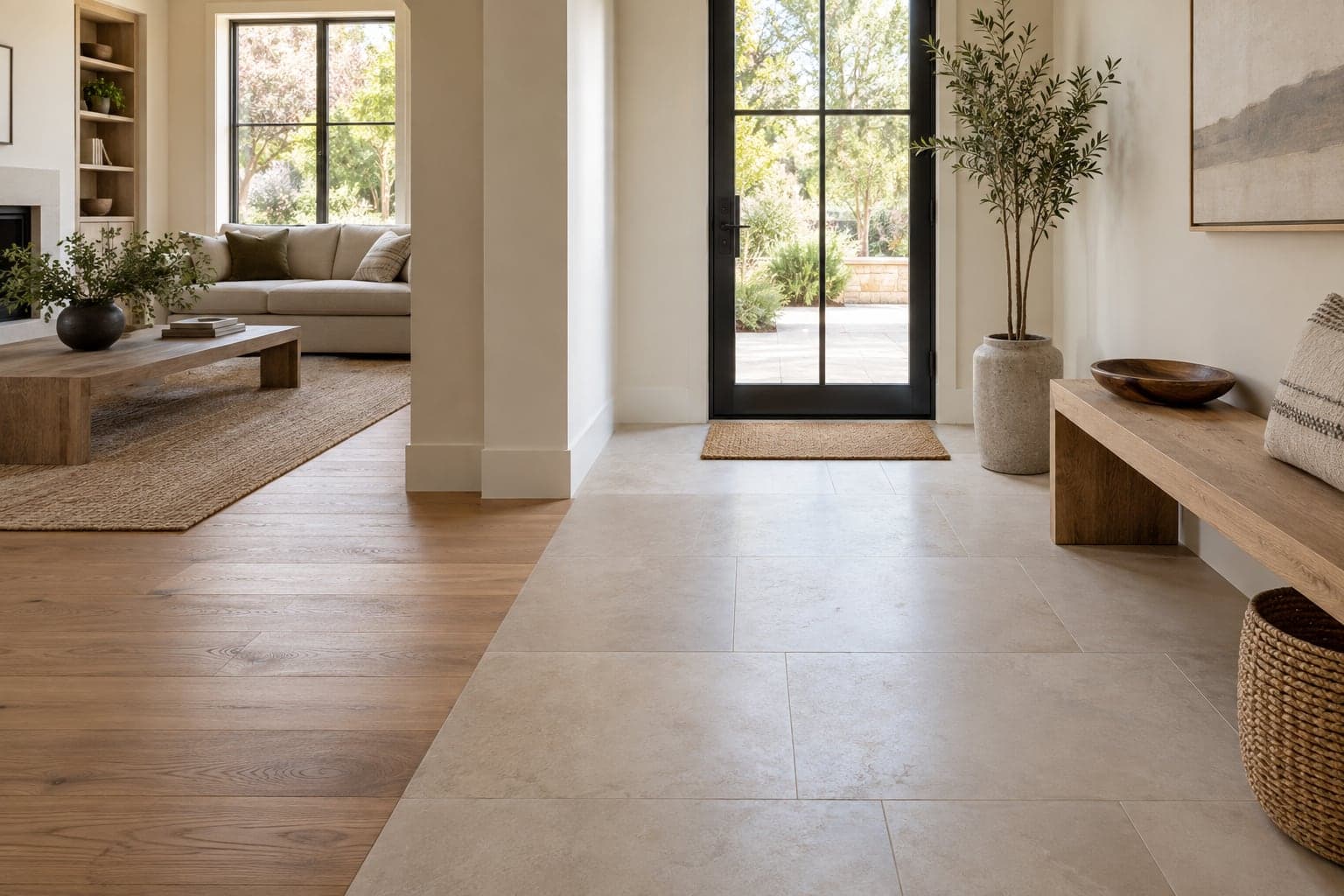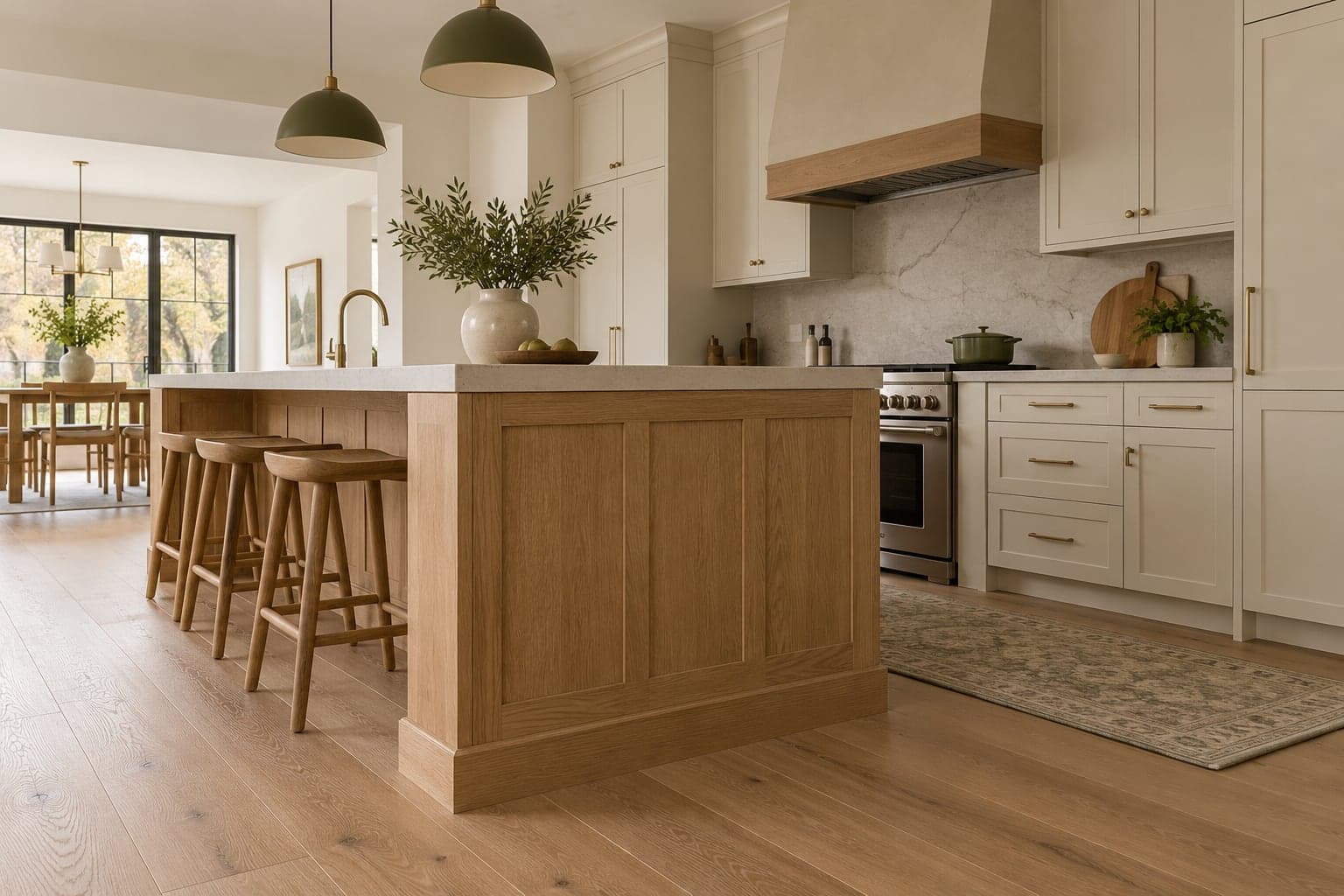

Choosing a condo floor involves more than comparing timber colours or plank widths. The building may need to review the proposed product, underlay and installation method before you order. Start with its current requirements, then assemble information for the actual flooring system. A retailer's general description of a product as condo-friendly is not a substitute for that review.
Request your building's current flooring requirements
Ask management which documents and procedures apply to replacing the floor in your unit. The Condominium Authority of Ontario explains the role of a corporation's declaration, by-laws and rules. Requirements should be checked against your building's documents rather than copied from another condominium.
Describe the rooms involved and the existing and proposed surfaces. Replacing carpet with a hard surface, changing a tile area and renewing an existing wood floor may raise different questions. Ask what information management needs, who reviews it and how the outcome is recorded. Do not treat an informal conversation as the final record of an important decision.
Use our condo renovation checklist to collect the wider building information. If flooring is one part of a kitchen or bathroom project, describe the combined scope rather than submitting separate fragments that hide how the work connects.
Identify the complete proposed assembly
Collect the manufacturer's product name, range, thickness and installation instructions. Add the proposed underlay or other specified components and explain the installation method. The reviewer and installer need information about what will actually be installed, not a brochure covering several products with different characteristics.
Ask the supplier which documents relate to the exact combination you are considering. If a product already includes an attached layer, have the installer confirm how that affects the proposed assembly. Adding another layer because it sounds more comfortable or quieter is not a substitute for checking compatibility.
Our flooring and tile installation services outline the preparation questions to raise alongside the product choice. Keep those questions open until the existing substrate and surrounding details have been assessed.

Ask what the sound information actually describes
If management requests acoustic information, ask which measures, reports and test conditions it needs. Supply the manufacturer's actual documentation rather than repeating a number from a sales label. Ask the reviewer whether the documentation represents the proposed floor and the relevant building conditions.
Do not assume there is one universal sound-rating number that approves flooring in every Toronto condo. The building's requirements and the evidence submitted for the proposed assembly need to be considered together. If two reports appear inconsistent, ask the supplier and reviewer to explain the difference before relying on either one.
The CAO's noise issue guidance provides context on noise concerns in condominiums. It does not certify a flooring product for your building. Keep the accepted product and assembly details with the project records so any substitution can be reviewed.
Check floor height, thresholds and fixed cabinets
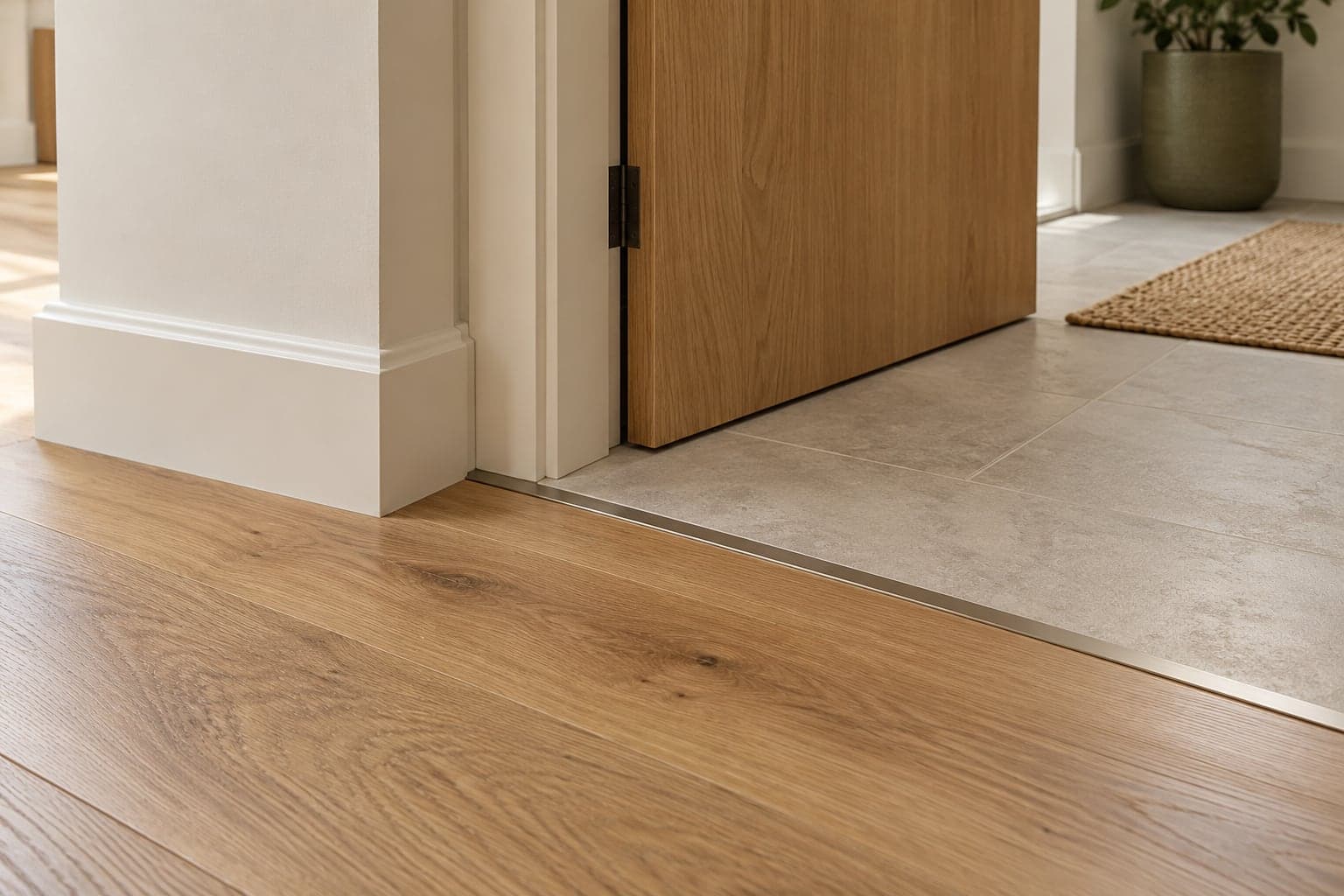
Compare the complete installed thickness with door clearances, adjoining tile and retained cabinetry. A different floor build-up can affect a threshold or appliance opening even when the room layout stays unchanged. Ask who handles any trim, door or transition adjustments and whether they are included in the quote.
If the kitchen stays, identify where the floor stops and how the edges are finished. If cabinets are also changing, agree on the sequence before booking trades. Our kitchen cabinets or flooring first guide explains why the selected system needs to lead that decision.
For a bathroom connection, discuss the doorway and any wet-area requirements with the installer. Do not assume that a flooring choice accepted for the living area is automatically suitable for every room. Review the product's intended use and the project-specific assembly.
Prepare a clear submission package
Organise the information in the format requested by management. A useful package can include a room plan, affected areas, existing and proposed finishes, product specifications, assembly information and a work description. Ask which contractor details, insurance documents or other records the building requires; do not assume every building asks for the same list.
Record access, protection, delivery and waste-removal arrangements as part of planning. Long flooring packs need a practical route into the unit and a suitable storage location. Share building restrictions with the supplier and installer before a delivery date is promised.
Keep product substitutions visible. If the original selection becomes unavailable, compare the replacement specification and ask whether renewed review is needed. Similar colour and thickness do not prove that the previously accepted documentation still applies.
- Exact flooring and underlay references, with installation information.
- Affected rooms and a clear description of the proposed work.
- Requested acoustic evidence and contractor documentation.
- Written review outcome and the accepted selection list.
Confirm the work schedule and quote
Allow the programme to reflect review, product availability, preparation and installation requirements. Ask which stages depend on the substrate being exposed or another trade completing work. Building access windows also need to be considered before the dates become commitments.
Compare quotations against the same accepted product and assembly. Include removal, disposal, preparation, transitions, trim and reinstatement of affected items. Our renovation quote comparison guide helps identify allowances and exclusions that could otherwise be overlooked.
If the unit will remain occupied, use our occupied-home renovation guide to plan furniture storage and essential routes. Send the building requirements, photographs and preferred flooring through our contact page for a discussion about the work.
Common condo flooring questions
Can I order first and obtain approval later? It is better to resolve the building review before committing to a product that may not be accepted. Ask the retailer about its order and return terms while you are still comparing options.
Is a high rating on the underlay packaging enough? Not by itself. Ask what evidence the building requires for the actual proposed assembly and submit the relevant documents.
Does building acceptance replace other requirements? No. Review any municipal or other requirements that apply to the complete work separately. Our Ontario Building Code guide explains how to organise those enquiries.